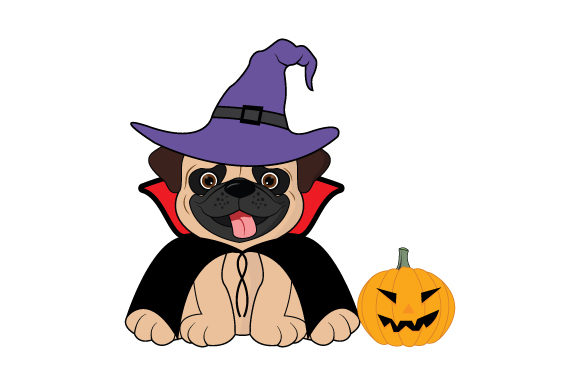
Cute Dog with Halloween Costume
First Impression: Playful, Not Precious
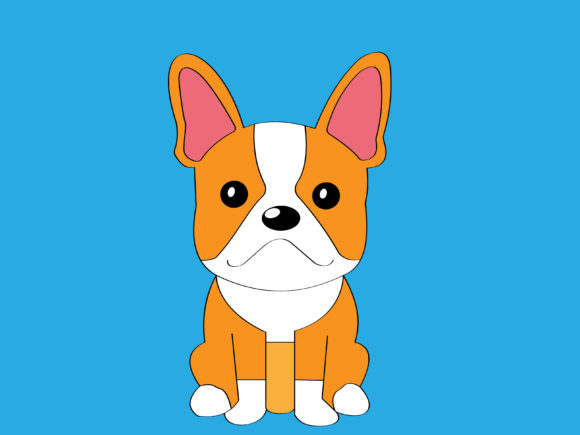
Opening the Cute Dog with Halloween Costume files feels like unboxing a well-considered sketch—not overly polished, but full of intention. The illustration leans into charm over realism: rounded ears, a slightly lopsided pumpkin hat, and a tail that curls just enough to suggest motion. It’s not fussy or hyper-detailed, which is exactly what makes it work for embroidery. As a designer who’s stitched hundreds of pet-themed pieces for Etsy shops and boutique baby lines, I immediately saw this as a strong candidate for a custom embroidered tote bag—something cheerful, seasonal, and instantly legible at arm’s length.
Where It Shines in Real Embroidery Projects
This isn’t a design that demands center-stage on a jacket back. It thrives where warmth and approachability matter most: on organic cotton tea towels for a local café’s Halloween pop-up, on soft cotton-blend baby onesies (paired with gentle fill stitch and low-density satin), or as an embroidered patch sewn onto denim aprons for a small-batch kitchen goods brand. I tested a mockup on a medium-weight sweatshirt—and yes, it held up beautifully. The clean silhouette avoids tiny interior cutouts, so there’s no risk of thread nesting or stabilizer show-through on textured fleece.
For craft business owners, Cute Dog with Halloween Costume delivers quiet versatility. It reads clearly on both light and dark fabric without needing heavy underlay or color adjustments. That matters when you’re prepping 30+ holiday gift orders for a handmade shop or batch-producing personalized gifts for a local pet boutique. As an embroidery file, it doesn’t try to be everything—it’s a focused illustration, not a layered applique design, so it stitches quickly and reliably across most commercial and home machines.
Where to Pause and Plan Ahead
Don’t rush this into a curved surface like a baseball cap without testing first. The pumpkin hat’s rim sits close to the dog’s ear—and on a small hoop or tight curve, that junction can blur if stitch density isn’t dialed back slightly. Likewise, avoid using it full-size on thin fabrics like rayon challis or lightweight linen without backing; those delicate satin-stitch areas need proper stabilizer support to stay crisp after washing.
It’s also not ideal for ultra-minimalist branding. If your small shop aesthetic relies on fine-line monochrome embroidery or micro-details, this design’s friendly boldness may feel too warm or literal. And while it works well for holiday embroidery, don’t expect subtle seasonal nuance—it’s proudly Halloween, not “autumnal.” That’s a strength for targeted gifting, but less flexible for year-round product lines.
What Customers Actually Notice (and Why It Matters)
People don’t buy embroidery—they buy recognition, delight, and handmade sincerity. When a customer sees Cute Dog with Halloween Costume stitched on a pillow cover or toddler sweatshirt, they register three things instantly: *This is for pets*, *This is festive*, and *This was made with care*. That emotional shorthand builds trust faster than any product description. I’ve watched buyers linger longer on Etsy listings featuring this kind of intentional illustration—especially when paired with clean printable mockups showing real fabric textures and natural lighting.
It also supports brand consistency without limiting creativity. You can use the same embroidery file across multiple products—a patch for a kids’ backpack, a small chest logo on a crewneck, or even scaled-down for a set of embroidered kitchen towels—all while keeping visual cohesion. That’s gold for small shop owners juggling inventory, marketing, and production timelines.
Practical Designer Notes Before You Stitch
- Test on scrap fabric first—especially if using stretchy knits or textured weaves. See how the satin stitch flows and whether corners hold their shape.
- Check thread color contrast before finalizing. This design relies on clear shape definition—avoid mid-tone threads on mid-tone fabric.
- Review stitch density in your embroidery software. If your machine defaults to high-density fills, reduce by 10–15% for baby items or lightweight garments.
- Confirm hoop size compatibility. While the SVG, AI 10, and EPS 10 files give flexibility for resizing, always verify physical hoop clearance before stitching on caps or curved surfaces.
- Inspect small details at 200% zoom—especially the eyes and hat stem. These are simple shapes, but clarity matters for finished product professionalism.
- Test black-and-white mockups to ensure readability on both light and dark backgrounds—no surprises when printing labels or social media previews.
- Use appropriate stabilizer: cutaway for knits, tear-away for stable wovens, and lightweight fusible for delicate baby fabrics.
- Verify licensing terms before selling finished products or bundling the digital embroidery file. Since this falls under Illustrations and Graphics, usage rights aren’t implied—always confirm before scaling commercially.
A Design That Earns Its Place
Cute Dog with Halloween Costume doesn’t shout. It invites. It fits naturally into handmade product workflows—not as a novelty, but as a dependable, emotionally resonant design asset. Whether you’re stitching one-off personalized gifts or building a seasonal collection for your craft business, it brings consistency, charm, and real-world stitchability. It’s the kind of embroidery file that makes customers smile *before* they even touch the fabric—and that’s the quiet power of thoughtful design.