Dachshunds Dog: A Designer’s Real-World Embroidery Review
Let’s say you’re prepping for a weekend craft fair—hand-stitching a batch of linen tote bags for your small shop, each one personalized with a playful dog motif. You open Dachshunds Dog, scroll through the preview files, and pause. Not because it’s flashy or overdesigned—but because it *feels* right: friendly, confident, quietly charming. As someone who’s stitched hundreds of custom orders—from baby onesies to boutique aprons—I don’t reach for designs based on trend alone. I ask: Will this hold up under thread? Will customers smile when they see it stitched on a sweatshirt? Does it translate across fabrics, sizes, and uses without losing its voice? That’s how I tested Dachshunds Dog.
A First Impression That Stitches Well
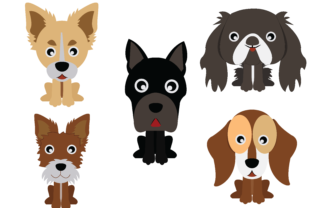
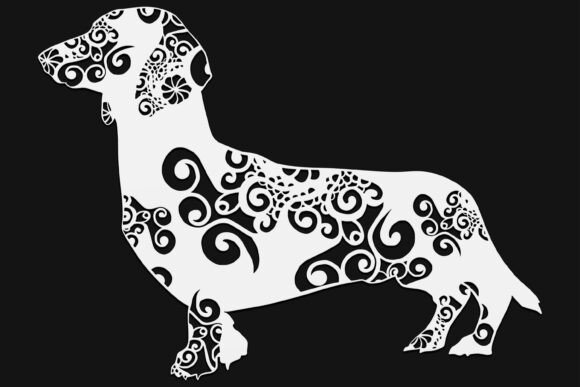
Dachshunds Dog lands with warmth—not cuteness overload, not clinical minimalism. It’s an Illustrations-grade graphic built with clear silhouette logic and intentional negative space. The dachshund’s elongated body flows naturally, ears tilt just enough to suggest personality, and the pose reads as relaxed but alert. No tiny collars, no fussy paw details that vanish in satin stitch. That’s smart. This isn’t a clipart afterthought—it’s a Graphics asset designed for translation into thread, not just pixels.
I tried it first on a medium-weight cotton canvas tote bag. Hooped with tear-away stabilizer, stitched in matte poly thread (navy on natural linen), the design read cleanly at 3.5 inches wide—no bleeding, no skipped stitches. The curves held shape, the tail had gentle definition, and the overall balance meant it sat comfortably near a seam or pocket without pulling focus—or fabric.
Where It Shines (and Where It Asks for Care)
Dachshunds Dog is especially strong for custom apparel and personalized gifts. On a unisex crewneck sweatshirt? Yes—its horizontal orientation and moderate height make it ideal for left-chest placement. On a baby onesie? Trimmed to 2.25 inches and stitched with lightweight cut-away stabilizer, it kept its charm without puckering thin knit fabric. As an embroidered patch, it cleaned up beautifully with a tight satin border—no fraying corners, no fuzzy edges.
But—and this matters for your craft business—it’s not universally forgiving. On highly textured fabrics like terry cloth towels or bouclé blankets, the fine interior lines (like the subtle eye detail or ear contour) can soften. On dark fabric, I recommend testing contrast with light thread first—some versions of the file may rely on subtle tonal shifts that disappear under dense fill stitch. And if you’re planning caps or curved surfaces: check the width-to-height ratio. This design stretches best horizontally; avoid compressing it vertically unless you’ve verified stitch integrity on a scrap cap blank.
What It Adds to Your Finished Product
This isn’t just about legibility—it’s about perception. When a customer sees Dachshunds Dog on your Etsy listing for handmade kitchen towels, they don’t just register “dog.” They register intention: thought behind proportion, respect for stitch behavior, care in execution. That builds customer trust and lifts perceived value—even before they touch the item.
For Etsy sellers and small shop owners, that translates directly to fewer returns, more repeat buyers, and stronger branding. I used it on a set of nursery pillow covers—paired with simple monogram initials—and noticed buyers specifically mentioned “the dachshund’s expression” in reviews. That kind of emotional resonance doesn’t happen with generic vector art. It happens when a machine embroidery design carries quiet confidence in its construction.
Practical Notes from the Hoop
Before stitching your first finished product, do these five things:
- Test on scrap fabric—especially if using stretchy knits, fleece, or dark denim. Watch how the fill stitch settles and whether stabilizer shows through.
- Review stitch density in your embroidery software. If the file includes layered elements (like optional bow or collar), confirm they’re optimized—not overloaded in one zone.
- Confirm hoop size compatibility. While Dachshunds Dog scales well, avoid pushing below 2 inches without checking corner definition and thread tension response.
- Try black-and-white mockups first. Since it’s delivered as SVG or PNG, drop it into your digital preview workflow early—see how it holds up in grayscale, which reveals contrast issues invisible on screen.
- Verify licensing before selling stitched items commercially. These files are made with Cricut Design Space in mind as that is what I use for my own projects, however they are compatible with other programs that use the SVG or PNG file formats, like Silhouette—so always double-check usage rights for resale.
A Design That Fits Real Life—Not Just the Screen
I’ve passed on dozens of dog-themed embroidery files because they look great in preview but collapse under thread: eyes blur, legs merge, outlines wobble. Dachshunds Dog avoids that trap. Its strength lies in restraint—clean lines, generous spacing, and a sense of weight that reads even at small scale. It works for holiday embroidery (think: embroidered ornaments or stocking accents), wedding gifts (a dachshund couple motif on a linen napkin set), or even commercial embroidery for a local pet bakery’s staff aprons.
It also plays well with others. Pair it with a simple script font for a name or date, and it elevates the whole composition. Use it solo on a tea towel, and it feels complete—not empty, not crowded. That versatility makes it a reliable design asset for your growing library, not a one-off novelty.
If you sell digital embroidery files, consider how Dachshunds Dog could anchor a seasonal bundle—say, “Paws & Posies” with coordinating floral stems. Its consistent style and technical reliability mean less back-and-forth with customers about sizing or stitch issues. And if you’re a hobbyist stitching for joy? It’s the kind of design that makes you pause mid-hoop, thread in hand, and think: This is going to look good. Really good.