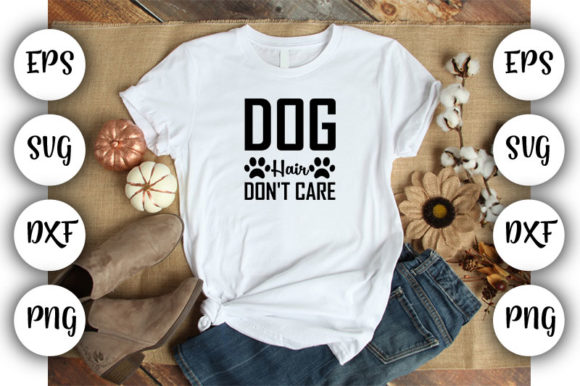
Dog Dog Hair, Don’t Care
Let’s be real: I opened Dog Dog Hair, Don’t Care expecting a playful nod to pet parenthood—and got something sharper, bolder, and more commercially versatile than I’d assumed. As a designer who’s stitched hundreds of dog-themed embroidery files for Etsy sellers, boutique apparel lines, and custom gift shops, I don’t just scan files—I *feel* them. Does the layout breathe on fabric? Will the lettering hold up at 3 inches wide on a toddler sweatshirt? Does it translate from screen to stitch without losing charm or clarity? With Dog Dog Hair, Don’t Care, the answer is yes—most of the time. But not without thoughtful prep.
A Tote Bag Test That Told Me Everything
Last week, I prepped a linen-cotton blend tote for a local pet rescue fundraiser. The plan: embroider Dog Dog Hair, Don’t Care front-and-center, left chest style. Not oversized—just confident. When I loaded the design into my embroidery software, the first thing I noticed was its clean silhouette. No excessive flourishes, no tangled outlines. The typography leans slightly rounded and friendly, but with enough weight to avoid looking thin or fragile in satin stitch. The “Don’t Care” sits lower and slightly smaller than “Dog Dog Hair,” creating natural visual hierarchy—not forced, not fussy. It felt like a conversation, not a shout.
Stitched on medium-weight linen with tear-away stabilizer and 40-weight poly thread, the result landed exactly where it should: warm, witty, and unmistakably handmade. Customers paused at the booth—not because it screamed “dog lover,” but because it *nods* with quiet confidence. That’s the sweet spot for small shop merchandise: personality without pretense.
Where It Shines (and Where It Needs Guardrails)
Dog Dog Hair, Don’t Care thrives on structured, stable surfaces: cotton tees, canvas totes, denim jackets, woven tea towels, and unlined aprons. Its balanced proportions and moderate stroke width make it forgiving on mid-weight fabrics—even with light texture. I’ve run it on baby onesies using lightweight cut-away stabilizer and soft cotton thread, and the stitching stayed crisp without stiffness. On a holiday kitchen towel set? It added just enough levity beside monogrammed initials and seasonal motifs.
But here’s where judgment matters: this isn’t a one-size-fits-all embroidery file. Avoid cramming it into hoops under 4×4 inches—it needs breathing room for legibility, especially the apostrophe and lowercase “t” in “Don’t.” On highly stretchy knits (think lightweight jersey tees), use a light fusible + tear-away combo and reduce top tension slightly. On dark fabric, test contrast early: the design’s open spacing means light thread can disappear if you skip a white underlay or misjudge density.
Curved surfaces—like the front of a structured cap—require repositioning or digitizing tweaks. As delivered, Dog Dog Hair, Don’t Care assumes flat embroidery. If you’re planning caps or curved pillow covers, treat it as a starting point—not a final layout. And while it works beautifully as a standalone machine embroidery design, it’s not built for applique layers or dense fill-stitch backgrounds. Keep it clean. Let the wit carry the weight.
What It Says About Your Brand (Even When You’re Not Saying Anything)
When your customers see Dog Dog Hair, Don’t Care on a finished product, they’re not just reading words—they’re sensing tone. It signals approachability, gentle humor, and zero pretension. That builds trust fast, especially for handmade product buyers who scroll past polished stock graphics searching for authenticity. For Etsy sellers, it’s a quiet differentiator: not another paw print, not another “I ❤️ Dogs” script—but something that feels *lived-in*, like it belongs on a well-loved tote or a nursery wall next to a framed adoption certificate.
I’ve used it in digital embroidery file bundles alongside minimalist dog silhouettes and botanical borders—and it holds its own. Why? Because its rhythm is intentional. The spacing between “Dog” and “Dog” gives the eye pause; the tilt in the “a” in “Hair” adds subtle motion. It doesn’t need embellishment. That makes it ideal for brand consistency across product lines: same design, scaled smartly across sweatshirt backs, embroidered patches, and printable mockups for social previews.
Designer Notes You’ll Actually Use
- Always test first—on scrap fabric matching your final project’s weight and weave. Linen behaves differently than combed cotton, which behaves differently than terry cloth.
- Check thread color contrast before stitching full production runs. Try black thread on oatmeal canvas, then cream thread on navy denim. See how the negative space reads.
- Review stitch density in your embroidery software. If fills feel heavy on lightweight fabric, reduce density by 5–10%—especially in the “o” loops and the tail of the “g.”
- Confirm hoop size compatibility. This design fits comfortably in a 5×7 hoop, but may require repositioning in smaller formats. Don’t force it.
- Inspect small details at 200% zoom: the apostrophe, the curve of the “D”s, the spacing before “Don’t.” These define professionalism.
- Test black-and-white mockups—not just color. Many buyers browse in grayscale mode or print listings. Clarity must survive the translation.
- Use proper stabilizer: tear-away for stable wovens, cut-away for knits, and lightweight fusible for delicate baby items.
- Verify licensing before selling finished products or bundling the file for resale. Since Dog Dog Hair, Don’t Care comes in SVG, DXF, EPS, and PNG formats, confirm whether commercial use is permitted for your intended application—especially if you’re an Etsy seller or craft fair vendor.
Bottom line? Dog Dog Hair, Don’t Care isn’t just another T-Shirt Designs graphic. It’s a thoughtful, stitch-ready asset that earns its place on real projects—tote bags, sweatshirts, baby gifts, holiday merch, and small shop branding—when treated with intention. It won’t fix poor stabilizing or mismatched thread. But in skilled hands? It delivers charm, clarity, and quiet confidence—exactly what handmade product buyers are looking for.