Dog Paws
First Impressions: A Warm and Playful Design
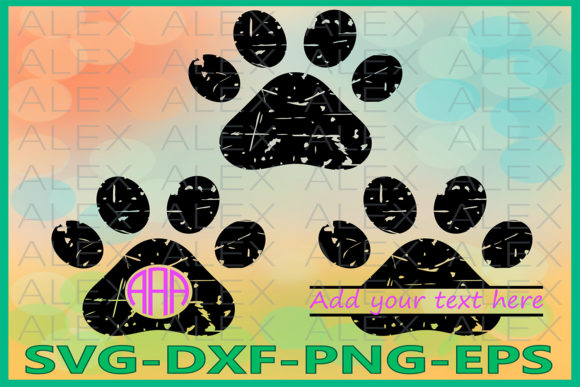
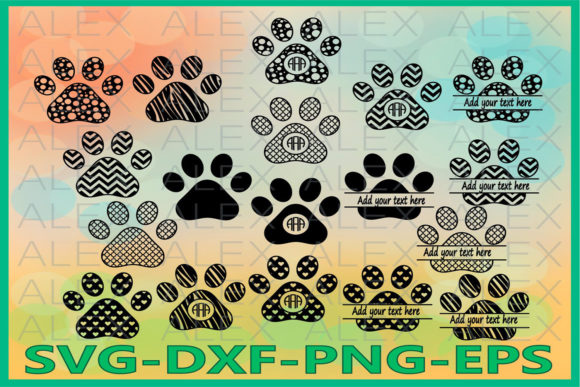
The moment I opened the Dog Paws design files, I was struck by their simplicity and charm. The paws are rendered with a clean, rounded shape that feels both approachable and stylish. There’s a soft, almost whimsical mood to them, which makes them ideal for a wide range of projects. The layout is straightforward—each paw is isolated, making it easy to place them anywhere on a design without worrying about overlapping elements.
The level of detail is just right. The paw prints are filled with subtle textures that give them a three-dimensional feel without being too intricate. This balance between simplicity and depth is what makes Dog Paws so versatile. Whether you're looking to create a playful patch or a sophisticated wall decoration, these designs offer a natural fit.
Real-World Use Case: Custom Embroidered Tote Bag
To test Dog Paws, I imagined using them on a custom embroidered tote bag for a local boutique. The idea was to create a small, charming design that would appeal to pet lovers and add a touch of personality to everyday items. I placed one paw in the corner of the tote, slightly off-center to allow for a more organic look.
The result was surprisingly effective. The paw looked great against the fabric, and the stitch density was just right—neither too dense nor too sparse. The texture of the fabric added to the design's visual appeal, making the paws feel like they were part of the tote itself rather than an afterthought.
Performance in Real-Life Embroidery Situations
Dog Paws performs well across a variety of embroidery applications. They work particularly well on custom apparel, such as sweatshirts and t-shirts, where their playful nature can add a personal touch. For baby items, the design's softness and clarity make it a safe choice, especially when used on delicate fabrics like cotton muslin.
On caps and hats, the paws maintain their shape and detail, even on curved surfaces. This is a significant advantage, as many embroidery designs struggle with maintaining integrity on such surfaces. The design also looks great on aprons, pillow covers, and kitchen towels, where their presence adds a friendly, decorative element without overwhelming the product.
Design Considerations for Specific Projects
While Dog Paws is versatile, there are a few situations where extra care should be taken. On small hoop sizes, the details may become less clear, so it’s important to test the design first. Textured or thin fabrics can also affect how the paws look, so using the right stabilizer is crucial.
Dark fabrics require careful consideration of thread color contrast. A light-colored thread will make the paws stand out, while a dark thread might blend in too much. Testing the design in black and white mockups before finalizing can help identify any potential issues with visibility.
For products that need frequent washing, like baby clothes or kitchen towels, the durability of the stitching becomes a key factor. Ensuring that the stitch density is appropriate for the fabric type and the intended use will help maintain the design's quality over time.
Impact on Visual Appeal and Product Value
The visual appeal of Dog Paws is undeniable. Their clean lines and thoughtful detailing contribute to a professional yet friendly aesthetic that resonates with a wide audience. When used on handmade products, the design enhances the overall presentation, making the finished item more appealing to customers.
From a business perspective, Dog Paws can significantly increase the perceived value of your products. Whether you're an Etsy seller, a small shop owner, or a craft business, this design adds a layer of personality and quality that customers are likely to appreciate. It also supports brand consistency, helping to build recognition and trust with your audience.
Practical Designer Notes for Success
Before using Dog Paws in a real project, I recommend testing the design on scrap fabric. This allows you to see how the stitches interact with the fabric texture and how the design holds up under different conditions. Checking the thread color contrast is also essential, especially when working with dark or textured fabrics.
Reviewing the stitch density is another important step. Too dense, and the design might look cluttered; too sparse, and it might lack impact. Confirming the hoop size based on the design’s dimensions ensures that the final result is crisp and clean.
Inspecting small details like corners and edges can reveal any potential issues that might not be obvious at first glance. Using proper stabilizer and ensuring that the design works for both personal and commercial projects will help maximize its utility and longevity.
Finally, always confirm the licensing terms before selling finished items or digital products. Understanding the rights associated with the design ensures that you’re operating within legal boundaries and protecting your business interests.