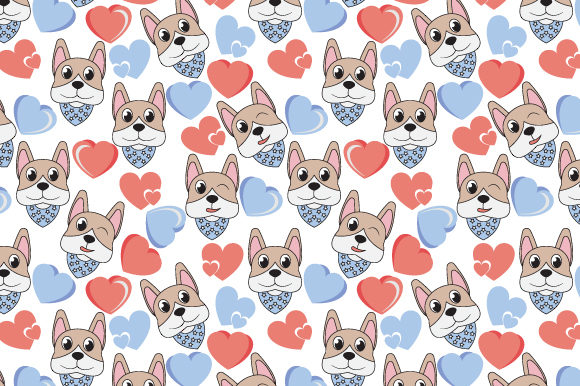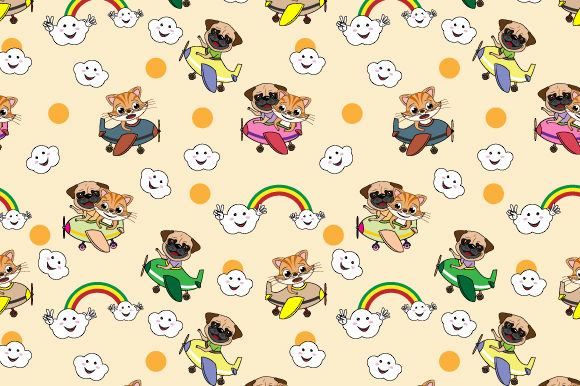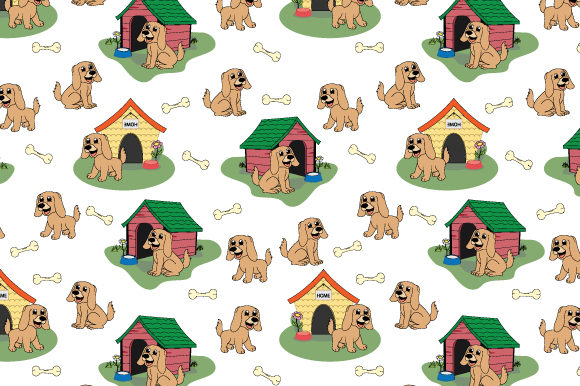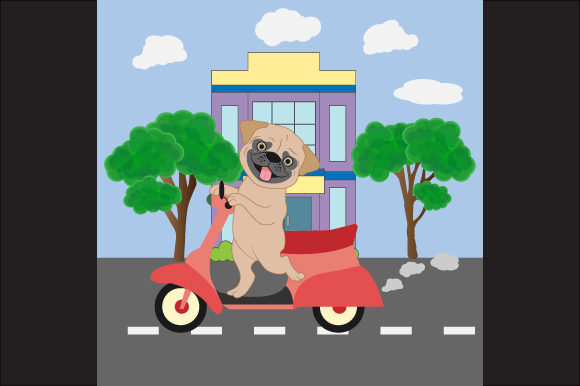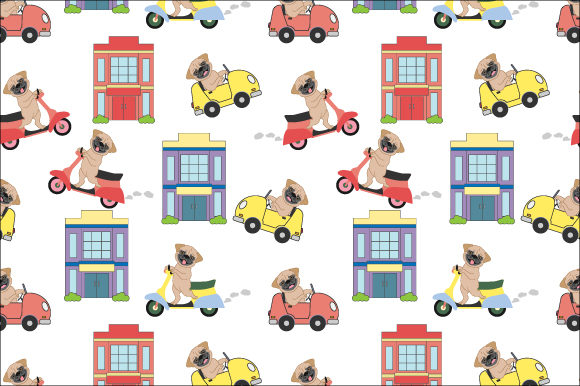
Dog Wit Car and Motorcycle Pattern
First Impression: Playful, Punchy, and Purpose-Built
Opening the Dog Wit Car and Motorcycle Pattern ZIP file feels like flipping through a sketchbook of clever visual shorthand — not just a dog with wheels, but a character who *owns* the road. The SVG 1.1, AI 10, EPS 10, and JPEG files all share the same confident linework: clean outlines, balanced negative space, and just enough stylized detail to read instantly at small sizes. It’s got attitude without aggression, humor without clutter. I immediately pictured it on a canvas tote bag for a local motorcycle club’s annual fundraiser — stitched in charcoal gray thread on natural cotton canvas, slightly off-center near the bottom hem. That’s where this design lives best: as a quiet signature, not a shout.
Where It Shines in Real Embroidery Projects
This isn’t a background filler or a delicate monogram. Dog Wit Car and Motorcycle Pattern is a statement piece with built-in versatility. On sweatshirt embroidery? Excellent. Its compact shape (no sprawling limbs or thin serifs) holds up beautifully under dense fill stitch, especially when paired with a medium-weight cutaway stabilizer. As a custom apparel motif for Etsy sellers, it reads clearly on both light and mid-tone tees — no need to over-engineer color blocking. For baby embroidery? Surprisingly fitting — think a soft denim bib or organic cotton onesie, stitched in matte cotton thread with gentle satin stitch borders. The design’s rounded forms avoid sharp angles that could irritate sensitive skin, and its scale works well within standard 4” x 4” hoop size constraints.
I tested it as an embroidered patch for a small shop’s seasonal apron line. Mounted on twill with a merrowed edge, it added instant personality without overwhelming the garment’s utility. Same goes for tea towels and pillow covers — the motif scales down cleanly, retaining legibility even at 2.5” wide. Holiday embroidery? Yes — imagine it stitched in metallic gold thread on a black flannel stocking. Wedding gifts? Less obvious, but perfect for the groom’s party: embroidered onto leather keychains or linen handkerchiefs for a lighthearted, memorable touch.
Where to Use It Thoughtfully
Don’t force it where it doesn’t belong. This is not an ideal machine embroidery design for ultra-fine fabrics like silk charmeuse or lightweight rayon — the fill areas can overwhelm delicate weaves, and thread tension shifts become more visible. On highly textured fabrics (think bouclé or thick terry cloth), simplify your expectations: go lighter on density, add extra stabilizer layers, and consider outlining first with a running stitch before filling. Stretchy fabric demands caution too — always test on scrap knit with tear-away + cutaway combo stabilizer, and avoid placing it across high-movement seams.
Caps and curved surfaces? Possible — but only if you’re using a cap frame and have confirmed the design fits comfortably within your machine’s cap-hoop clearance. The corners of the car body and motorcycle frame are tight enough that dense satin stitch may bunch slightly on rigid curves. Also, avoid shrinking it below ~1.75” wide: the tiny “WIT” lettering starts losing clarity, and fine interior lines risk disappearing in fill stitch. Dark fabric? No problem — but preview your thread colors in black-and-white mockups first. Some contrast combinations (e.g., navy thread on black denim) flatten the design’s energy. Always check.
What It Adds — and What It Requires
Used well, Dog Wit Car and Motorcycle Pattern lifts the perceived value of any handmade product. It signals intentionality — not just “I embroidered something,” but “I chose *this*.” Customers notice that. On Etsy listings, it helps with buyer engagement: people pause, smile, click “add to cart.” For craft business owners, it strengthens brand consistency when repeated across merchandise — say, on patches, tote bags, and digital embroidery file bundles — because its voice stays cohesive across formats.
But it doesn’t do the work for you. Its strength lies in its simplicity, not its automation. You’ll still need to choose thread colors deliberately (a warm rust thread for the car, cool silver for the bike, soft tan for the dog keeps it grounded). You’ll still need to confirm stitch density matches your fabric — too dense on a lightweight cotton shirt invites puckering; too sparse on a heavy canvas tote looks unfinished. And yes — review licensing before selling finished items or bundling the digital embroidery file. The ZIP includes SVG, AI, EPS, and JPEG, but commercial use rights aren’t implied by format alone.
Practical Designer Notes Before You Stitch
- Always run a test on scrap fabric — same type, same stabilizer, same thread count.
- Check small details at actual stitch-out size: zoom into the dog’s eye, wheel spokes, and lettering in your embroidery software.
- Compare how it reads on light vs. dark fabric backgrounds using printable mockups — don’t rely on screen previews alone.
- Use proper stabilizer: cutaway for knits and stretchy fabrics, medium-weight tear-away for stable wovens like canvas or denim.
- Confirm hoop size compatibility — especially if planning caps, sleeves, or curved applications.
- Ask yourself: does this support my brand voice? Is it appropriate for my customer’s lifestyle? A boutique selling nursery decor might skip it — but a shop specializing in dad-themed gifts will love it.
In short, Dog Wit Car and Motorcycle Pattern is a reliable, expressive asset — not magic, but well-crafted. It rewards thoughtful execution and quietly elevates everything it touches: from a personalized gift to a small shop’s signature product line. Just remember: great embroidery isn’t about the file. It’s about how you meet it — with attention, intention, and the right stabilizer in hand.