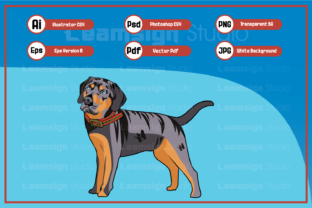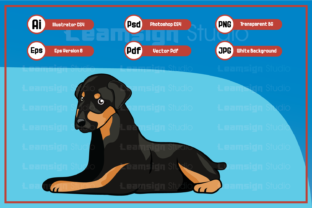
Sitting Dog Character Illustration
First Impressions: Friendly, Clean, and Ready for Stitching
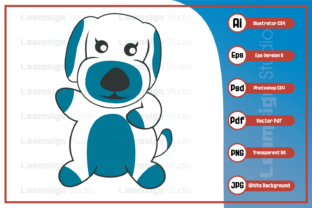
When I opened the Sitting Dog Character Illustration, my immediate thought wasn’t “cute”—it was “practical.” The vector has a soft but confident silhouette: rounded ears, gentle eyes, a relaxed posture that reads as approachable without being saccharine. It’s not overly detailed—no tiny whiskers or layered fur textures—and that’s a strength for embroidery. As an experienced designer who’s stitched hundreds of animal motifs for Etsy sellers and boutique clients, I appreciate how this illustration avoids visual clutter while still carrying personality. It feels like a character you’d want on a baby onesie, a kitchen towel for a dog-loving baker, or a custom patch for a vet clinic’s staff apron.
A Real Project Test: Embroidering It on a Linen Tea Towel
Last week, I prepped the Sitting Dog Character Illustration for a small-batch run of embroidered linen tea towels—meant for a local pet-friendly café’s holiday gift set. Linen is unforgiving: it shifts, frays, and shows every stitch inconsistency. So before hooping, I reviewed the design’s structure. Its clean outlines and open negative space translated well to satin stitch borders and light fill-stitch body areas. No tight corners or micro-details forced me to slow down the machine or add extra underlay. The proportions held up beautifully at 3.5 inches wide—the sweet spot for towel embroidery where clarity matters more than complexity.
Where It Shines (and Where It Needs Thought)
The Sitting Dog Character Illustration works especially well for:
- Custom apparel—especially sweatshirts and tote bags, where its bold shape reads clearly even from a distance;
- Baby embroidery—its gentle curves and minimal detail make it safe for onesies and burp cloths;
- Embroidered patches—the vector’s crisp edges convert cleanly to appliqué designs with clean satin-stitched borders;
- Holiday embroidery—pair it with simple seasonal elements (a holly sprig, tiny bow) for personalized stockings or pet-themed ornaments;
- Small shop product—it adds handmade charm without overwhelming branding on aprons, pillow covers, or café napkin sets.
But be mindful in these situations:
- Curved surfaces—like caps or mugs—require careful digitizing. The original vector doesn’t include built-in curvature compensation, so test stitch a mockup first.
- Thin or stretchy fabric—like lightweight cotton jersey—needs medium-weight cutaway stabilizer underneath to prevent puckering around the dog’s rounded chest and head.
- Dark fabric—the design’s openness means thread color contrast becomes critical. A pale yellow or cream thread may disappear on navy; go for high-contrast options like charcoal gray or true black.
- Small hoop sizes—below 4 inches, some subtle shaping (like ear contour or paw definition) may compress. Zoom in on your embroidery software to confirm stitch integrity before finalizing.
What It Adds to Your Finished Product
This isn’t just another dog icon—it elevates perception. Customers notice when a design feels intentional, not generic. On a handmade tote bag, the Sitting Dog Character Illustration reads as thoughtful, warm, and professionally curated—not clip-art. That builds trust, especially for Etsy sellers or craft fair vendors where buyers choose based on authenticity and care. For small business owners using it in boutique branding, it supports consistency across products: same friendly dog on a tea towel, a baby bib, and a thank-you card illustration—all sourced from one adaptable vector asset.
Its simplicity also supports versatility in thread colors. Try monochrome black for modern nursery decor, soft pastels for baby items, or rich earth tones for artisanal pet goods. And because it’s built from 100 editable vector elements, swapping a collar color or adjusting ear angle takes seconds—not hours—making it genuinely reusable across seasons and product lines.
Practical Embroidery Designer Notes
Before stitching your first piece:
- Test on scrap fabric—especially if using textured weaves (like terry cloth or burlap-inspired linens); stitch density can behave differently than on smooth cotton.
- Review stitch density—vector files don’t auto-optimize for embroidery. Open it in your digitizing software and check for overfilled areas or sparse outlines that could snag during wear.
- Confirm hoop size compatibility—if you’re working with a 4x4 hoop, scale carefully and verify no element extends beyond safe stitching margins.
- Inspect small details—the nose and eye shapes are subtle; ensure they’ll resolve clearly at your intended size. If digitizing yourself, consider reinforcing those points with a small running stitch or tatami fill.
- Try black-and-white mockups—this helps gauge readability on both light and dark backgrounds before committing thread.
- Use proper stabilizer—cutaway for stable fabrics, tear-away for lighter weaves, and fusible for layered garments like reversible aprons.
- Check licensing—since this is listed as a Graphics asset with editable vector elements, confirm whether commercial use (e.g., selling finished embroidered items or digital embroidery files) is permitted under its license terms. When in doubt, contact the creator.
Final Thought: A Design That Serves the Maker
The Sitting Dog Character Illustration doesn’t shout. It invites. It fits naturally into real-life making—whether you’re stitching a single personalized gift or scaling production for a craft business. Its balance of charm and clarity makes it a rare find among Icons: not too stiff for handcraft, not too loose for professional presentation. For embroidery designers, Etsy sellers, and creative entrepreneurs who value time, texture, and trustworthiness in their design assets, this is one sitting dog worth keeping close—in your folder, your hoop, and your next great idea.