Up and Down Dog Paw Prints
A Playful, Practical Background That Stitches Cleanly
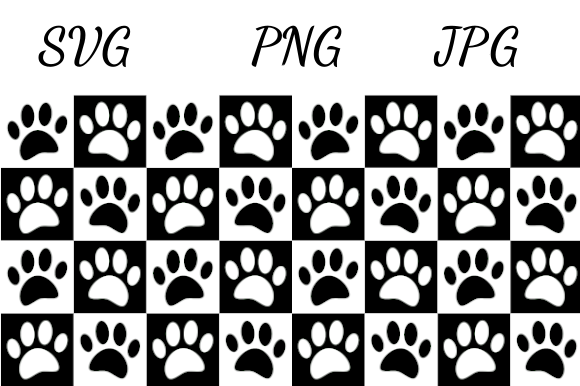
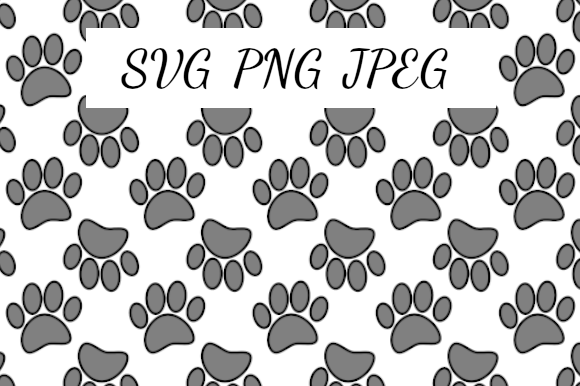
First glance at Up and Down Dog Paw Prints tells you exactly what it is: a lighthearted, repeating pattern of cartoon-style dog paws—some facing up, some down—in a gentle, rhythmic flow. It’s not fussy or overly detailed; there’s no intricate claw definition or shading, just bold, friendly outlines and soft rounded shapes. That simplicity is its biggest strength for embroidery—not as a focal point, but as a quiet, joyful background texture. I recently tested it on a linen-cotton blend tea towel destined for a local boutique’s holiday collection, and the rhythm of the paws added instant charm without competing with the hand-stitched monogram in the corner.
Where This Design Truly Shines
- Embroidered pillow covers and cushion fronts: The scale works beautifully across standard hoop sizes (5x7" and larger), letting the paw repeats breathe without looking cramped. On medium-weight home decor fabric, the design reads clearly—even from across the room—without demanding heavy stabilizer or dense fill stitches.
- Tote bags and aprons: As a subtle all-over motif along the bottom third of a canvas tote or wrapped around an apron pocket, Up and Down Dog Paw Prints adds personality without overwhelming function. It’s especially effective when paired with a single contrasting satin-stitch phrase like “Biscuit Boss” or “Walk Ready.”
- Baby items and nursery decor: Its soft curves and non-aggressive silhouette make it ideal for onesies, burp cloths, and crib bumper alternatives. Parents respond well to the warmth and whimsy—no sharp angles, no visual noise. It feels handmade, not mass-produced.
- Commercial embroidery for small shops: Because it’s offered in SVG, PNG, and JPEG at 7813 × 7813 px @ 300 dpi, it scales cleanly for both digital mockups and large-format print-and-embroider workflows. Etsy sellers can drop it into Canva templates or Procreate previews with confidence.
Real-World Stitching Notes You’ll Want Before Hooping
This isn’t a design that forgives poor prep. Its clean lines rely on consistent stitch density and proper tension. On stretchy fabrics like cotton jersey (think sweatshirts or baby bodysuits), I recommend a light cutaway stabilizer—not tear-away—to prevent puckering between paw prints. And while the file resolution is excellent for printing, remember: Up and Down Dog Paw Prints is an illustration, not a pre-digitized machine embroidery design. You’ll need to digitize it yourself—or work with a digitizer—for optimal satin stitch edges and balanced fill areas.
I ran a test on a textured terry kitchen towel: the paws held shape, but tiny gaps appeared between paw outlines where the fabric nap interrupted short running stitches. For best results on napped or looped surfaces, slightly increase stitch length or add a light underlay. Also, avoid placing it near high-friction zones like bag handles or apron ties—it’s better suited to stable, flat panels.
What to Watch For—Especially If You Sell Finished Goods
- Hoop size matters: At full scale, this pattern needs breathing room. Don’t try to cram it into a 4x4" hoop and expect legibility—smaller repeats lose their rhythm and start looking like random blobs.
- Dark fabric contrast: The design’s line weight is generous, but if you’re stitching on charcoal or navy, confirm your thread color has enough brightness to define the paw shape. A pale gray thread on black fabric won’t read as “paw”—it’ll read as shadow.
- Wash durability: Because it’s intended for home and business decor (pillows, curtains), assume buyers will launder items. Use high-quality polyester thread and lock your starts/stops securely. Avoid ultra-thin satin stitches in high-wear areas—opt for a balanced fill stitch instead.
- Licensing clarity: Since Up and Down Dog Paw Prints is categorized as Illustrations and Graphics, double-check the license before selling finished embroidered products commercially—or reselling the files as part of a digital embroidery bundle.
How It Elevates Your Handmade Product—and Your Customer’s Experience
There’s a quiet professionalism in choosing a background motif that supports, rather than competes. When I added Up and Down Dog Paw Prints as a border element on a set of personalized dog-themed baby blankets, customers didn’t just comment on the monogram—they noticed how “cohesive” and “thoughtful” the whole piece felt. That’s the power of intentional design rhythm: it builds trust. Buyers sense care in the spacing, consistency, and scale. It says you understand both craft and context.
For Etsy sellers and small shop owners, this design also performs well in photos. Its even repetition creates strong visual anchors in lifestyle shots—think a folded towel draped over a wooden chair, or a pillow stacked beside a ceramic mug. It doesn’t distract from your branding, but it does add warmth and recognizability. And because it’s neutral enough to pair with multiple color palettes (mustard + navy, sage + cream, blush + charcoal), it becomes a flexible asset—not a one-off novelty.
Final Designer Tips Before You Stitch
- Always test Up and Down Dog Paw Prints on scrap fabric that matches your final project’s weight and texture.
- Check stitch density in your digitizing software—aim for 10–12 stitches per mm in fill areas to balance coverage and flexibility.
- Review small details at actual stitch size: zoom in on your embroidery software preview to confirm paw outlines remain distinct after scaling.
- Run black-and-white and grayscale mockups to assess contrast on both light and dark backgrounds.
- Use proper stabilizer for your fabric type—especially important for lightweight cottons or knits where the paw shape could distort.
- If using for commercial embroidery or digital resale, verify licensing terms directly with the seller—don’t assume personal-use-only permissions apply.
In short: Up and Down Dog Paw Prints is a quietly versatile, customer-friendly design—not flashy, but reliably effective. It’s the kind of background motif that makes your custom apparel feel curated, your baby embroidery feel tender, and your small shop product feel intentionally designed. Just give it the prep it deserves, and it’ll deliver every time.