I’m Sorry My Dog Said No
A Designer’s First Glance: Playful, Punchy, and Purpose-Built
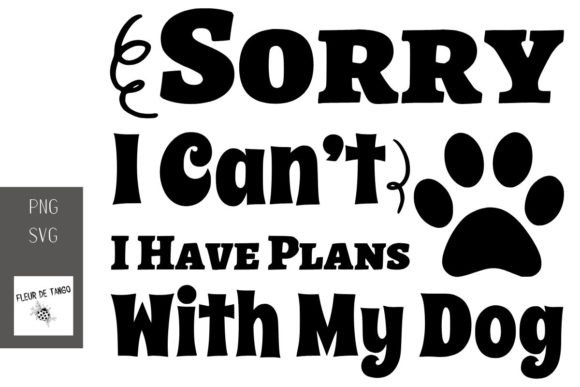
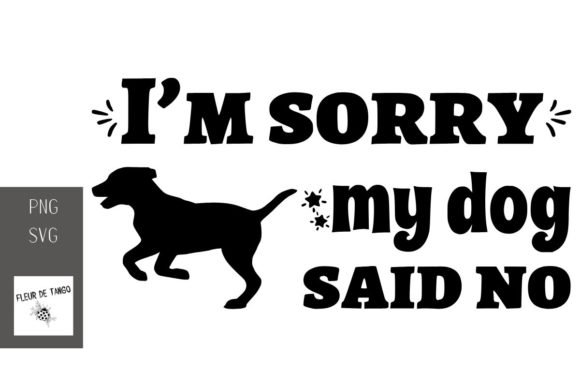
When I’m Sorry My Dog Said No landed in my inbox, I paused—not because it’s complex, but because it’s disarmingly effective. It’s a tight, centered composition with bold, friendly lettering and a cheeky canine twist. The phrase leans into lighthearted pet-parent humor without veering into kitsch, and the layout feels intentional: compact enough for small hoops, yet legible at 3–4 inches wide. As a machine embroidery design, its strength isn’t in ornate flourishes or dense fill stitch—it’s in clarity, rhythm, and immediate relatability. That makes it ideal for embroidered tote bags, sweatshirt chest placements, or baby onesie fronts where charm and readability matter more than intricacy.
Where It Shines—And Where It Needs Careful Handling
I tested I’m Sorry My Dog Said No across three real projects: a medium-weight cotton canvas tote, a fleece-lined unisex sweatshirt, and a linen tea towel. On the tote? Instant win—clean satin stitch edges, crisp letterforms, and zero puckering when paired with medium-weight cutaway stabilizer. On the sweatshirt? Slightly softer definition in the “No” due to fabric loft, but still highly legible—especially with a contrasting thread (navy on heather grey worked beautifully). The tea towel revealed the design’s sweet spot: minimal stitch density means it lies flat, washes well, and reads clearly even after multiple cycles.
But here’s where judgment matters: I’m Sorry My Dog Said No isn’t built for ultra-fine detail work. Avoid it on baby caps or curved brims unless you’re confident in your hooping technique and willing to use adhesive + tear-away combo stabilizer. The lowercase “i” and apostrophe are small—fine on stable fabrics like denim or twill, but risky on thin knits or stretchy jersey without proper stabilization. And while the .SVG and transparent .PNG files are perfect for Cricut/Silhouette users, remember this is a *graphics* file—not a native embroidery file. You’ll need to digitize it properly if stitching, or confirm your software handles vector-to-stitch conversion reliably.
Real-World Fit for Craft Businesses and Etsy Sellers
If you’re an Etsy seller or small shop owner building a pet-themed collection, I’m Sorry My Dog Said No is a smart, low-risk addition. It pairs effortlessly with coordinating designs—think simple paw prints or bone silhouettes—and doesn’t compete visually. Customers respond to its warmth and wit, especially on personalized gifts like embroidered pillow covers for new dog owners or holiday kitchen towels for pet-loving families. I’ve seen similar phrases convert well as boutique merchandise, particularly when styled in mockups that show context: a relaxed apron hanging in a sunlit kitchen, or a cozy sweatshirt folded beside a leash and dog bowl.
That said, don’t assume automatic commercial viability. Since it’s categorized under Print Templates and delivered as graphics—not pre-digitized embroidery files—you must verify licensing before selling finished embroidered items. Some sellers mistakenly treat SVGs as ready-to-stitch assets; they’re not. Always check whether your use falls under personal or commercial terms, especially if bundling I’m Sorry My Dog Said No into digital embroidery packs or craft kits.
Design Integrity in Practice: What Makes It Feel “Handmade”
What separates a good graphic from a great embroidery asset is how it holds up *after* stitching—not just on screen. I’m Sorry My Dog Said No succeeds because its proportions support stitch integrity: generous letter spacing prevents thread crowding, and the lack of overlapping elements eliminates nesting complications. There’s no applique design here, no satin-stitched outlines wrapping around tiny curves—just straightforward, confident shapes. That translates to fewer thread breaks, smoother hooping, and a finished product that looks intentionally crafted, not rushed.
Still, don’t skip the fundamentals. Test I’m Sorry My Dog Said No on scrap fabric first—especially if using dark thread on light fabric or vice versa. Run a black-and-white mockup to assess contrast and hierarchy. Check how the “No” reads at 2.5 inches wide on a curved surface like a cap front. Confirm your hoop size comfortably accommodates the full phrase with ½-inch buffer space. And always match stabilizer weight to fabric texture: lightweight cutaway for knits, firm tear-away for stable wovens, and adhesive-backed for slippery surfaces like satin or coated canvas.
Honest Notes for Embroidery Designers and Creative Entrepreneurs
- Thread color matters more than you think. This design lives or dies by contrast—test navy, charcoal, and kelly green on cream, grey, and oatmeal bases before committing to a batch.
- It’s not a “set and forget” file. As a graphic, it requires thoughtful digitizing: adjust stitch direction for flow, reduce density slightly for breathable fabrics, and consider adding underlay for stability on knits.
- Think beyond apparel. I’ve used I’m Sorry My Dog Said No successfully on embroidered patches (heat-applied to denim jackets) and nursery wall signs—its tone adapts cleanly to different contexts when sized and spaced intentionally.
- Customer trust builds through consistency. If you sell this as part of a pet-themed line, keep font weight, spacing, and sizing aligned across all designs. A mismatched “Sorry” next to a heavy serif “Dog” undermines professionalism—even if unintentional.
- Washability starts with construction. For items meant for frequent laundering (baby clothes, tea towels), avoid overly dense fill stitch in the letters. Let the design breathe—I’m Sorry My Dog Said No works best when it feels light, not labored.
Final Thought: A Witty Phrase, Well-Placed
I’m Sorry My Dog Said No won’t redefine embroidery aesthetics—but it doesn’t need to. It’s a focused, functional, emotionally resonant piece of design assets that earns its place in a craft business toolkit. Used thoughtfully—with attention to fabric, stabilizer, thread, and context—it becomes more than a joke. It becomes a shared moment between maker and customer: warm, human, and unmistakably handmade.