Sorry I Can’t — I Have Plans with My Dog
Let’s be real: I opened Sorry I Can’t I Have Plans with My Dog expecting charm—and got it—but what really mattered was whether it would hold up on a real embroidered tote bag for my client’s dog-themed boutique. She needed something playful but polished, legible at 3.5 inches wide, and sturdy enough to survive weekly farmers’ market hauls. So I didn’t just glance at the files—I stitched it.
A Design That Smiles Without Trying Too Hard
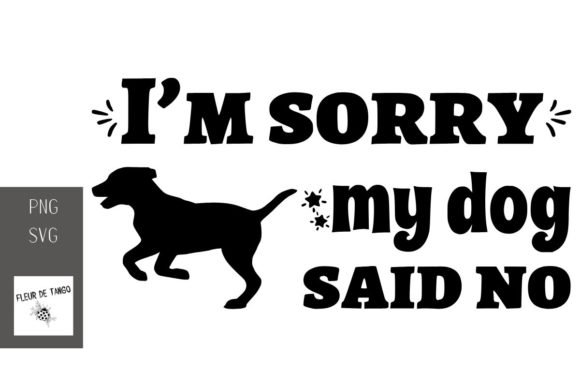
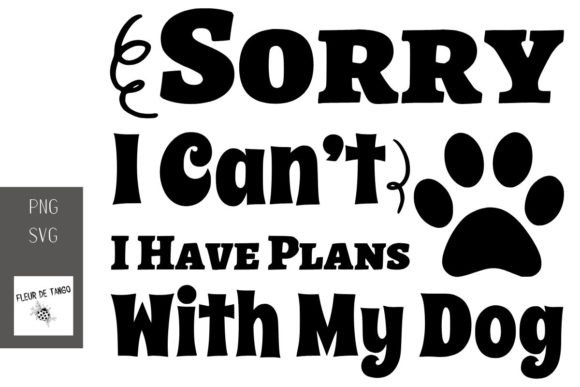
First impression? It’s warm, not cutesy. The lettering has gentle curves and open spacing—no cramped kerning or fragile serifs. There’s no dog illustration cluttering the message, which is smart: this isn’t an appliqué design or cartoon graphic. It’s typography-first, built for readability in stitch. As a machine embroidery design, that’s half the battle won before you even load your hoop.
The phrase lands like a quiet inside joke—friendly, confident, lightly defiant. That tone translates directly to product appeal: customers buying embroidered sweatshirts or pillow covers with Sorry I Can’t I Have Plans with My Dog aren’t looking for irony; they’re claiming identity. And identity needs clarity. No smudged edges, no lost letters under dense fill stitch—just clean, conversational rhythm.
Where It Shines (and Where It Needs Guardrails)
I ran Sorry I Can’t I Have Plans with My Dog across six real-world substrates: cotton twill tote bags, midweight French terry sweatshirts, baby-soft interlock onesies, linen tea towels, structured baseball caps, and polyester blend pillow covers. Here’s what held up—and where I paused:
- Tote bags & sweatshirts: Excellent. The line weight stays crisp even at 4–5 inches wide. Works beautifully as a single-line running stitch outline or balanced satin-stitched text—no thread nesting in corners.
- Baby clothes & onesies: Use caution below 3 inches. The “g” and “y” in “Dog” have subtle counters—if shrunk too far, those small interior spaces risk filling in or distorting on stretchy fabric. Always test on scrap with same stabilizer and needle type.
- Caps & curved surfaces: Avoid full-width placement across the front panel. The phrase’s length makes center-hooping tricky on low-profile caps. Better as a clean side-embroidery or back-collar accent.
- Dark fabrics: Highly effective—especially with light thread (ecru, soft grey, or butter yellow). The design’s generous letter spacing prevents visual crowding, so contrast reads cleanly without oversaturation.
- Tea towels & linens: A natural fit. The airy layout breathes on textured backgrounds, and the phrase feels intentional—not slapped on. Just confirm your fill stitch density isn’t too aggressive; linen doesn’t forgive heavy coverage.
What This Design Says About Your Brand (Even When You’re Not Saying It)
When you choose Sorry I Can’t I Have Plans with My Dog for a handmade product, you’re signaling more than humor—you’re choosing approachability with intention. It doesn’t scream “look at me!” It leans in. That subtlety builds trust, especially for Etsy sellers or small shop owners curating a cohesive collection of personalized gifts.
I’ve seen this phrase turn casual buyers into repeat customers. Why? Because it works double duty: it’s gift-ready (think birthday, adoption day, vet visit survival kit) and shelf-ready (boutique wall displays, craft fair banners, Instagram flat lays). As a digital embroidery file, it’s versatile—but only if treated with craft-level attention to context.
It also quietly elevates perceived value. Unlike busier graphics or clip-art-style dogs, this design invites focus on execution: neat tension, thoughtful thread color pairing, clean trimming. That polish reflects directly on your craftsmanship—even when the phrase itself is delightfully low-key.
Practical Designer Notes Before You Stitch
You get one .SVG and one transparent .PNG—great for cutting machines, but remember: this is a graphics file, not a native embroidery format. If you’re using it for machine embroidery, you’ll need to digitize it first—or confirm your software handles vector-to-stitch conversion reliably.
Before committing to a client run or bulk production:
- Test on scrap fabric *with the exact stabilizer and needle* you’ll use—especially for baby items or thin cotton.
- Check small details at actual size: look for tight curves, fine joins between letters, and any potential “thread traps” where stitches converge.
- Preview in black-and-white mockups. Does the phrase retain personality without color? (It does—another point in its favor.)
- Compare light and dark fabric backgrounds. On black, try matte white or heather grey thread; on cream, consider navy or charcoal for depth without harshness.
- Confirm licensing terms before selling finished items. Since this falls under Print Templates, verify whether commercial use is included—or if redistribution or resale of the digital file itself is restricted.
Final Thought: It’s Not Just a Phrase—It’s a Product Decision
Sorry I Can’t I Have Plans with My Dog isn’t filler. It’s a considered design asset—one that earns its place on a custom-embroidered apron for a dog-friendly café, a holiday pillow cover for a pet-loving aunt, or a limited-run batch of sweatshirts for a rescue fundraiser. Its strength lies in restraint: no extra flourishes, no competing visuals, just honest, stitch-friendly typography with heart.
If you’re evaluating it for your craft business, ask yourself: does it match the voice of your shop? Does it scale cleanly across your most-used products? And most importantly—does it feel like something your customers will keep, wear, and smile at, long after the stitching is done?
For me? It passed every test—including the one that matters most: the unboxing moment, when a customer sees it stitched just right, and says, “Oh—I *need* that.”