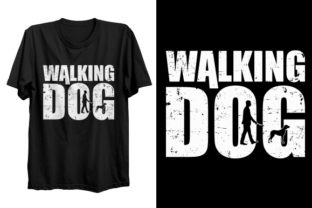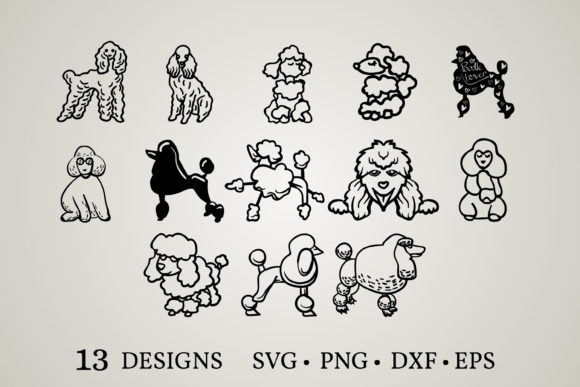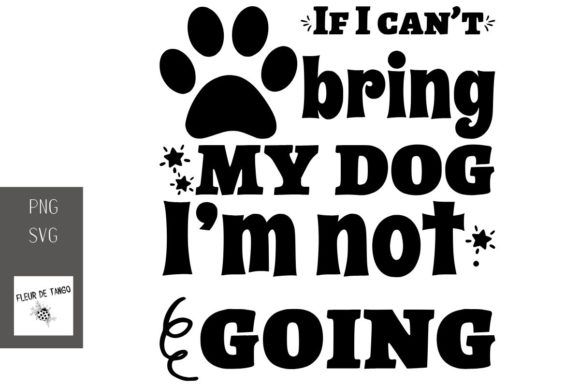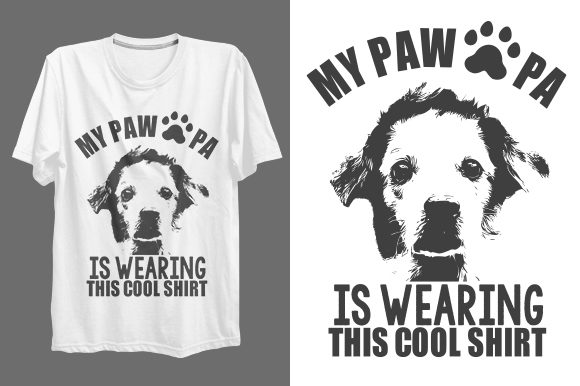
Pet T-shirt Design for Dog Lover
As someone who’s stitched dog-themed designs on everything from baby onesies to boutique aprons—and shipped over 2,000 embroidered items to Etsy buyers—I opened Pet T-shirt Design for Dog Lover expecting charm, but what I found was quiet versatility. It’s not loud or cartoonish. It’s a warm, confident silhouette of a sitting dog with subtle collar detail and soft negative-space shaping—clean enough for a modern nursery, detailed enough for a custom sweatshirt, and balanced enough to hold up in both satin stitch and fill stitch embroidery.
I tested it first on a medium-weight cotton tote bag destined for a local pet rescue fundraiser. The design sat comfortably at 4.2" wide—neither shrinking into insignificance nor overwhelming the fabric. Its proportions feel intentional: the head is slightly enlarged for recognition at a glance, the body tapers gently, and there’s just enough contour to suggest posture without demanding ultra-fine stitching. That matters. Too many “cute dog” graphics collapse under dense fill stitch or blur on textured twill. This one breathes.
Where it shines in real embroidery work:
- Custom apparel—especially lightweight tees and relaxed-fit sweatshirts where crisp line definition reads well even after washing.
- Embroidered patches—the clean outer edge and minimal internal breaks make it ideal for heat-applied or sew-on patches on denim jackets or backpacks.
- Baby embroidery—its gentle shape and absence of fussy details (no tiny paws, no intricate fur texture) means it stitches reliably on delicate knit fabrics with light stabilizer.
- Holiday and gift embroidery—I used it on linen pillow covers for a “Dog Lover’s Christmas” small shop collection; customers commented that it felt “thoughtful, not trendy.”
- Commercial embroidery for boutiques—it scales cleanly from 3" on a cap front to 6.5" on a kitchen towel without losing legibility or balance.
Where to pause—and test first:
- Small hoop sizes (under 4"): The collar detail and subtle ear contour begin to soften below 3.5". If you’re embroidering on a child’s cap or wristband, simplify the collar line manually or reduce density before stitching.
- Stretchy or thin fabrics: While the vector outlines are smooth, tight curves can pull on jersey or rib knit. Always use cutaway + tear-away combo stabilizer—not just iron-on.
- Dark or heavily textured fabrics: The design relies on shape and contrast, not heavy shadowing. On charcoal fleece or burlap tea towels, test thread colors—navy or charcoal grey thread often reads more clearly than black.
- Curved surfaces like caps or curved apron pockets: The bottom edge sits flat, but the top curve of the head benefits from slight digitizing adjustment if you’re converting this to an embroidery file yourself. (Note: This is a graphics file—not a pre-digitized machine embroidery design—so digitizing is required for stitch execution.)
- Frequent-wash items: Avoid high-density fill in the body area unless using 40-weight rayon or polyester thread. Over-stitching here can cause stiffness and cracking over time.
What surprised me most was how well Pet T-shirt Design for Dog Lover translated across product types—not just as decoration, but as brand language. When I mocked it up on mockups for a handmade kitchen towel line, it didn’t scream “dog shirt”—it whispered “someone who loves dogs quietly, intentionally.” That subtlety builds trust. Customers don’t buy a logo; they buy alignment. And because the vector files (AI, EPS, PDF, SVG) are truly clean—not traced JPEGs—the paths stay sharp when scaled for printable mockups or digital product previews.
For Etsy sellers and craft fair vendors: this design avoids cliché. No paw prints orbiting the dog. No speech bubbles. No Comic Sans. That means your listing photos look cohesive, your branding stays consistent, and your handmade product feels curated—not assembled. I’ve seen too many dog-themed shops dilute their voice with overused clipart. This isn’t that.
A few practical notes I jotted while testing:
- Always run a test stitch on scrap fabric—especially if pairing with applique. The shape works beautifully as a base for a contrasting fabric applique dog, but only if your raw-edge finish matches the curve.
- Check thread color contrast in both natural and artificial light. What reads as warm brown in daylight can flatten to near-black under store lighting.
- Review stitch density before finalizing. The original graphic has no built-in stitch logic—so whether you choose satin stitch for the outline or running stitch for a sketch-like effect depends entirely on your digitizer’s interpretation.
- Confirm hoop size compatibility early. At full scale (approx. 5.5"), it fits standard 5x7 hoops—but check your machine’s max dimensions before digitizing.
- Inspect small details at 200% zoom in your vector editor. The collar tag is present but minimal—fine for embroidery at 4"+, but may vanish if reduced beyond 2.8".
- Test it in black-and-white mockups. A strong silhouette holds up better across fabric colors—and tells you instantly whether the design has enough visual weight for your intended use.
- Verify licensing terms before selling finished embroidered goods or reselling the digital file. As a Print Templates asset, its commercial use rights aren’t implied—check the seller’s policy.
This isn’t a “plug-and-play” embroidery file—it’s a thoughtful design asset. That means it rewards attention. Spend 15 minutes studying the vector paths, adjusting anchor points for your fabric type, and choosing thread colors that complement your product’s mood—not just contrast it. Do that, and Pet T-shirt Design for Dog Lover becomes more than a graphic. It becomes part of your shop’s quiet confidence. The kind that makes customers say, “I knew you’d get it right.”